
The National Care Service
Prime Minister Andy Burnham proposes a free National Care Service for England, paid for by changing the state pension triple lock, as a commitment for the next general election. Downing Street say free personal care would cover only people aged 65 and over; any change for working-age disabled adults waits on Baroness Casey's commission, due to report in 2027. No official cost has been set out; consultancy LCP puts a full service at about £17bn a year by the mid-2030s.
What's changed
-
Care body's plan for jobless young people meets its own turnover figures
The Care Association Alliance wants young people not in education, employment or training brought into adult social care in England, but its paper also reports that more than half of care workers under 20 leave within a year.
-

Ministers to prepare free personal care in England before Casey reports
Minister for Social Care and Mental Health Alison McGovern says the government will 'prepare the ground now' for a National Care Service for England with free personal care, rather than wait for Baroness Casey's review next summer, but no cost or start date has been set out.
-
No homecare contract studied in England met the Homecare Association's minimum price
Councils in England paid an average £25.37 an hour for state-funded homecare in 2026-27, according to the Homecare Association, against its minimum price of £34.42, and it puts the extra funding needed for sustainable homecare at National Living Wage level at £2.3 billion.
-
£30-a-month care premium would meet a fifth of National Care Service cost
Pensions consultancy LCP proposes enrolling people in England aged 40 and over in an opt-out care premium, but even on its own sums the scheme would meet only about a fifth of what a full National Care Service would cost.
-
King's Fund wants one national care assessment in England, cost not yet known
The King's Fund wants a single national assessment and national funding for most long-term care in England, but the cost estimates it cites run from £4bn to £18.5bn by 2036, depending on the size of co-payments.
-
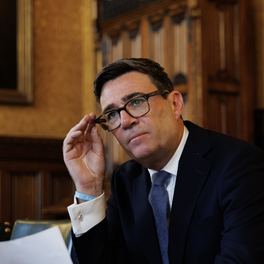
Free care plan for 65 and over leaves out working-age disabled adults
Downing Street says what it calls free personal care, under the National Care Service announced by Prime Minister Andy Burnham, will be only for people in England aged 65 and over, and ministers say any change for working-age disabled adults waits on a commission reporting next year.
-
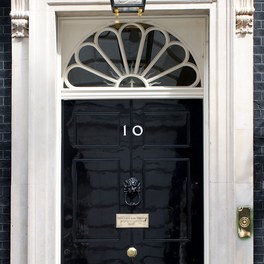
PM Burnham names how he would pay for free care, not what it covers
Prime Minister Andy Burnham would fund a free national care service in England by changing the state pension triple lock, but what the service would cover has not yet been set out.
-
Equity in the National Care Service
At a Labour conference panel run by SCIE and the Centre for Care, speakers argued that equity must sit at the heart of social care reform and National Care Service planning.
-
Dilnot on the cost of free care
Sir Andrew Dilnot, whose review of care funding reported 15 years ago, told the BBC an NHS-style care system could take decades to build and would cost a very substantial amount.
-
Radio 4 on the politics of care reform
On Radio 4's Westminster Hour, a cabinet minister was reported as saying the government has about two and a half years before an election to make its case on care reform, against 2017's six-week campaign.


